
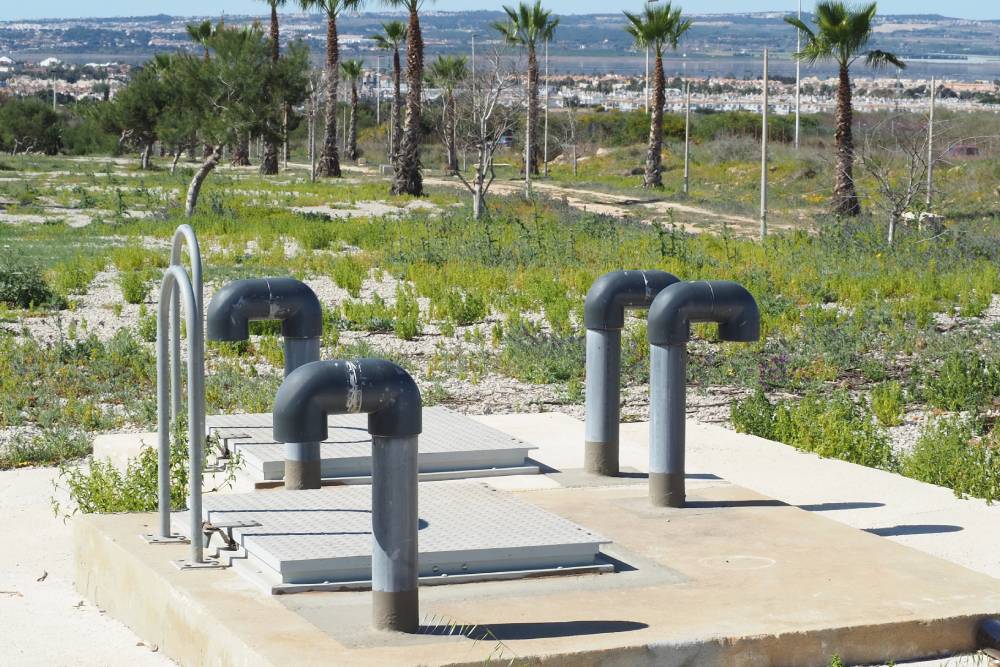
Lift stations are designed to move wastewater from lower elevations to higher points, allowing it to reach sewer lines or treatment systems. What happens when a lift station fails?
Understanding how failure occurs and what to expect can help you respond faster and limit damage. With proper sewer lift station maintenance services and timely repairs, many of these issues can be avoided.
How a Lift Station Functions Under Normal Conditions
A lift station collects wastewater in a tank known as a wet well. When the water level rises, float switches activate the pump, which pushes the wastewater through a discharge pipe to the next stage of the system.
This process repeats throughout the day, depending on usage. Because lift stations handle a constant flow of wastewater, they rely on mechanical and electrical components working together without interruption. When one part of the system stops functioning, the entire process can be affected.
What Happens During a Failure
When a lift station fails, wastewater can no longer be moved out of the wet well. As a result, the tank begins to fill beyond its normal capacity. If the issue is not addressed quickly, this can lead to overflow or backups.
In residential settings, this may cause wastewater to back up into drains or plumbing fixtures. In commercial environments, the impact can be more widespread, affecting multiple areas of a building. Overflow can also create unsanitary conditions and require immediate attention from professionals offering lift station repair services.
Common Causes of Lift Station Failure
Lift station failure can happen for several reasons, often related to wear, buildup, or system overload.
Some of the most common causes include:
- Pump failure due to wear or damage
- Power outages or electrical issues
- Float switch malfunctions
- Grease or debris buildup in the wet well
- Overloading from excessive water use
Each of these issues can interrupt normal operation and lead to system failure if not addressed.
Warning Signs to Watch For
Recognizing early warning signs can help you take action before a complete failure occurs. Lift stations often show signs of trouble before they stop working entirely.
Common indicators include:
- Slow drainage in sinks or floor drains
- Unusual odors near the lift station
- Alarms or warning lights on the control panel
- Frequent pump cycling or extended run times
If you notice these signs, scheduling lift station maintenance services can help identify and fix the issue before it escalates.
The Impact on Your Property
A failed lift station can affect both your plumbing system and your property. Wastewater backups can damage floors, walls, and fixtures, leading to costly repairs. In addition, strong odors and unsanitary conditions can disrupt daily activities.
In commercial settings, downtime caused by a lift station failure can impact operations and customer experience. This is why routine lift station pumping and inspection services are often part of ongoing maintenance plans.
Fast, Reliable Lift Station Service When You Need It Most
When a lift station fails, quick action can help limit damage and restore normal operation. At Miller Septic, we are a family-owned and operated company based in North Fort Myers, serving Fort Myers, Cape Coral, Lehigh Acres, and surrounding Southwest Florida communities.
Our licensed team provides lift station repairs, pumping, inspections, and full wastewater system services for residential and commercial properties. We also handle line jetting, drain field work, and septic system maintenance. With 24/7 availability and straightforward pricing, we are ready to respond when your system needs immediate attention. Schedule your service today.