
How Much Does A Lift Station Cost And What Should You Expect?
Lift stations play an important role in wastewater systems, especially in areas where gravity alone cannot move waste efficiently. These systems use pumps to move wastewater from lower elevations to higher points, allowing it to reach sewer lines or treatment systems.
If you are planning a new sewer lift station installation or dealing with an aging system, understanding lift station costs can help you prepare for both upfront expenses and long-term maintenance.
What Is a Lift Station and Why Is It Needed?
A lift station is designed to move wastewater when the natural slope of the land does not allow for proper drainage. This is common in low-lying areas, properties near water, or locations with complex plumbing layouts.
The system typically includes a tank, pumps, float controls, and electrical components. When wastewater reaches a certain level, the pump activates and moves it to the appropriate discharge point.
Lift stations are often used in:
- Residential properties with septic systems
- Commercial buildings
- Large developments and facilities
Without a functioning lift station, wastewater can back up and create serious plumbing issues.
Average Cost of a Lift Station
The cost of a lift station can vary depending on the size of the system, installation requirements, and site conditions. For most residential setups, costs typically range from $3,000 to $10,000.
Commercial systems are more complex and can range from $10,000 to $50,000 or more. These systems are designed to handle higher volumes and often require larger tanks, multiple pumps, and more advanced controls.
Keep in mind that these estimates can vary based on labor, materials, and site-specific factors.
Key Factors That Affect Pricing
Several elements influence how much you will pay for lift station installation or replacement.
- System size and capacity: Larger systems with higher flow rates cost more
- Pump type and quality: Heavy-duty pumps increase overall cost
- Installation complexity: Excavation, electrical work, and site access all play a role
- Location conditions: High water tables and soil type can affect installation difficulty
- Permits and local requirements: Compliance with regulations may add to the total cost
Working with a provider experienced in lift station installation services can help you understand these factors and avoid unexpected expenses.
Installation Costs and What to Expect
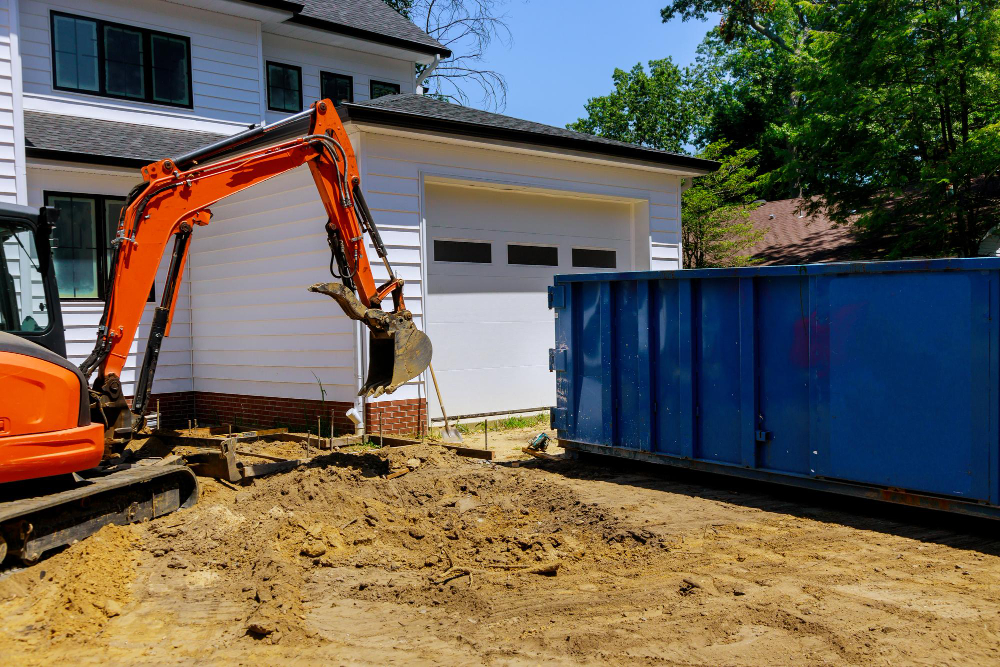
Installation involves more than just placing a tank in the ground. The process typically includes excavation, plumbing connections, electrical setup, and testing.
For residential properties, installation is usually completed within a few days, depending on site conditions. Commercial projects may take longer due to the size and complexity of the system.
In areas with sandy soil and high water tables, additional steps may be needed to stabilize the system and protect it from shifting. This can impact both cost and timeline.
Maintenance and Long-term Costs
Beyond installation, lift stations require ongoing maintenance to stay in good working condition. Regular inspections and servicing help prevent breakdowns and extend the life of the system.
Typical maintenance costs may include:
- Routine inspections and cleaning
- Pump servicing or replacement
- Electrical component checks
- Emergency repairs if issues arise
Scheduling routine service through a provider offering wastewater system maintenance and repair services can help reduce the risk of unexpected failures.
Signs Your Lift Station Needs Repair or Replacement
Over time, lift stations can develop issues that affect performance. Recognizing early warning signs can help you address problems before they become more serious.
Common signs include:
- Frequent pump cycling
- Unusual noises during operation
- Slow drainage or backups
- Strong odors near the system
- Alarm activation or electrical issues
If you notice any of these signs, it may be time to schedule lift station repair services or consider replacement.
Reliable Lift Station Service from a Local Southwest Florida Team
Lift station problems can disrupt your entire wastewater system, which is why working with an experienced local provider matters. At Miller Septic, we are a family-owned and operated company based in North Fort Myers, serving communities across Southwest Florida with complete septic and wastewater solutions.
Our licensed team handles lift station installation, repairs, pumping, and line jetting, along with full system diagnostics. We are available 24/7 for urgent issues and focus on clear communication and honest pricing. From new installations to ongoing maintenance, we help keep your system running properly in Florida’s demanding conditions. Schedule your service today.