
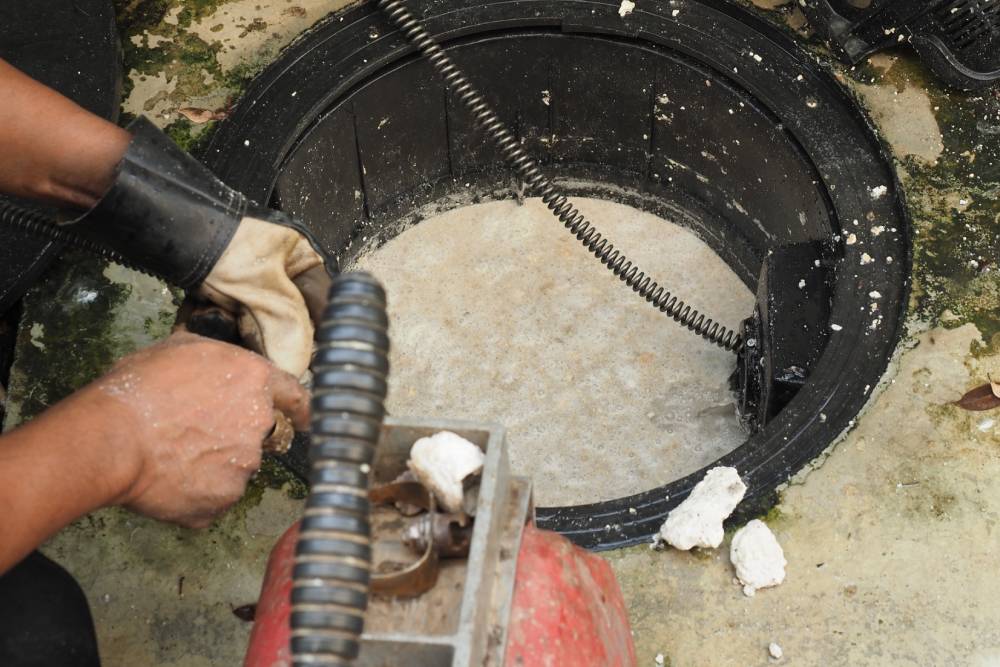
Managing fats, oils, and grease is part of daily operations for any commercial kitchen. Without the right system in place, grease buildup can lead to clogged pipes, unpleasant odors, and expensive plumbing repairs. Two of the most widely used solutions are grease traps and grease interceptors. While both serve the same purpose, they are designed for different environments and levels of use.
Understanding how these systems compare can help you choose the right option for your kitchen, avoid performance issues, and stay aligned with maintenance requirements.
What Do Grease Traps and Interceptors Do?
Grease traps and interceptors are both designed to separate fats, oils, and grease from wastewater before it enters the main sewer system. When wastewater flows through either system, the movement slows down, allowing grease to rise to the surface while heavier solids settle at the bottom. The remaining water then exits through an outlet pipe.
This separation process helps prevent grease from coating pipes and causing buildup over time. In commercial kitchens where grease output is constant, routine grease trap cleaning services or interceptor pumping helps keep everything working properly.
Grease Trap Vs. Interceptor Key Differences
At a basic level, the difference between grease traps and grease interceptors comes down to size, capacity, and application.
- Grease traps are smaller and typically installed indoors near fixtures
- Grease interceptors are larger and installed outside, usually underground
- Traps are designed for lower grease volumes, while interceptors handle high-output systems
- Traps require more frequent cleaning, while interceptors are serviced less often but in larger volumes
These differences influence everything from installation to long-term maintenance planning.
Grease Traps: Compact and Convenient
Grease traps are commonly used in smaller kitchens where space is limited and grease production is manageable. These units are installed close to the source of wastewater, which allows them to capture grease before it travels further into the plumbing system.
Because they are compact, grease traps are often placed under sinks or near dishwashing areas. This makes them a practical choice for businesses that do not have the space or need for a large outdoor system.
In terms of operation, grease traps rely on simple separation principles. As wastewater flows through the unit, internal components slow the movement, giving grease time to rise and solids time to settle. The result is cleaner water exiting into the drainage line.
However, their smaller size means they fill up faster. Regular grease trap pumping and cleaning services are needed to prevent overflow and maintain performance.
Grease Interceptors: Built for High-volume Systems
Grease interceptors are designed for larger operations that produce a higher volume of grease-heavy wastewater. These systems are installed outside the building, typically underground, and connected to the main drainage system.
Because of their size, interceptors can hold significantly more waste, allowing for more effective separation over time. This makes them well suited for busy kitchens that operate throughout the day.
You will often find grease interceptors in:
- Large restaurants and commercial kitchens
- Hotels and resort properties
- Schools and institutional facilities
- Food production and processing sites
These environments require a system that can handle continuous flow without frequent interruption.
Even though interceptors require less frequent servicing compared to traps, they still depend on scheduled services to remove accumulated waste and maintain efficiency.
Installation Differences
The installation process is one of the most noticeable differences between grease traps and grease interceptors. Grease traps are installed indoors and connected directly to specific fixtures. This setup is generally straightforward and can often be completed without major structural changes.
In contrast, grease interceptors require excavation and underground placement. The installation process involves planning around drainage layout, available space, and local code requirements. Because of this, interceptors are often installed during new construction or major renovations.
The choice between the two often depends on how much space is available and how the plumbing system is designed.
Sizing and Capacity Considerations
Selecting the right system depends heavily on the volume of wastewater and grease your kitchen produces. Choosing a system that is too small can lead to frequent maintenance issues, while an oversized system may not be practical for the space.
When evaluating sizing, several factors come into play:
- Number of sinks, dishwashers, and kitchen fixtures
- Type of food preparation and cooking methods
- Daily water usage and peak hours
- Local plumbing and health regulations
Working with professionals who provide grease trap installation services can help determine the correct size and avoid performance issues later on.
Maintenance and Cleaning Requirements
Maintenance is a key part of keeping both grease traps and interceptors working properly. While both systems require regular service, the frequency and method vary based on size and usage.
Grease traps typically need more frequent attention because they have a smaller capacity. Interceptors, on the other hand, can operate longer between service visits but require more extensive pumping when they are cleaned.
Typical maintenance schedules include:
- Grease traps cleaned every 1 to 3 months
- Grease interceptors pumped every 3 to 6 months
- Regular inspections to monitor buildup and performance
Staying on top of grease trap cleaning services helps prevent clogs, odors, and unexpected system issues.
Cost Comparison
Cost plays a role in deciding between a grease trap and an interceptor. Grease traps generally have a lower upfront cost and are easier to install. This makes them a practical option for smaller operations or locations with limited space.
Grease interceptors require a larger initial investment due to excavation and installation complexity. However, they can be more efficient for high-volume kitchens and may reduce the frequency of service visits over time.
The overall cost depends on the size of the system, installation requirements, and long-term maintenance needs.
Compliance and Local Requirements
Commercial kitchens are subject to local regulations that govern grease management. These rules are in place to protect public sewer systems and reduce environmental impact.
Local codes often address:
- Minimum capacity requirements for grease systems
- Installation standards for both traps and interceptors
- Maintenance schedules and service records
- Proper disposal of collected grease waste
Working with a provider that offers commercial grease trap services can help keep your system aligned with these requirements and avoid compliance issues.
Common Problems and How to Avoid Them
Even with the right system in place, problems can occur if maintenance is delayed or ignored. Grease buildup can quickly lead to reduced performance and plumbing issues.
Some of the most common warning signs include:
- Slow draining sinks and fixtures
- Strong odors near drains or kitchen areas
- Visible grease in wastewater
- Recurring clogs or backups
Regular grease trap pumping services and inspections can help catch these issues early and keep your system operating as expected.
Which Option Is Right for Your Kitchen?
The decision between a grease trap and a grease interceptor comes down to the size and needs of your operation. Smaller kitchens with limited grease output often benefit from the simplicity of a grease trap. Larger facilities with high-volume wastewater typically require the capacity of an interceptor.
In some cases, kitchens may use a combination of systems to manage different areas of the operation. Evaluating your current setup and future needs can help guide the decision.
Southwest Florida Grease Trap Cleaning, Pumping & Installation Experts
Understanding the differences between grease traps and interceptors helps you choose the right system and avoid costly plumbing issues. Professional service keeps your system running efficiently and compliant.
At Miller Septic, we are a family-owned and operated company serving Southwest Florida with full-service wastewater solutions for both residential and commercial properties.
Our licensed team handles everything from grease trap cleaning and pumping to full installations, drain field work, lift station repairs, and line jetting. We are available 24/7 for urgent issues and provide clear communication, upfront pricing, and dependable service on every job.
If your kitchen needs reliable grease management, we are ready to help keep your system running without disruption. Schedule your service today.