
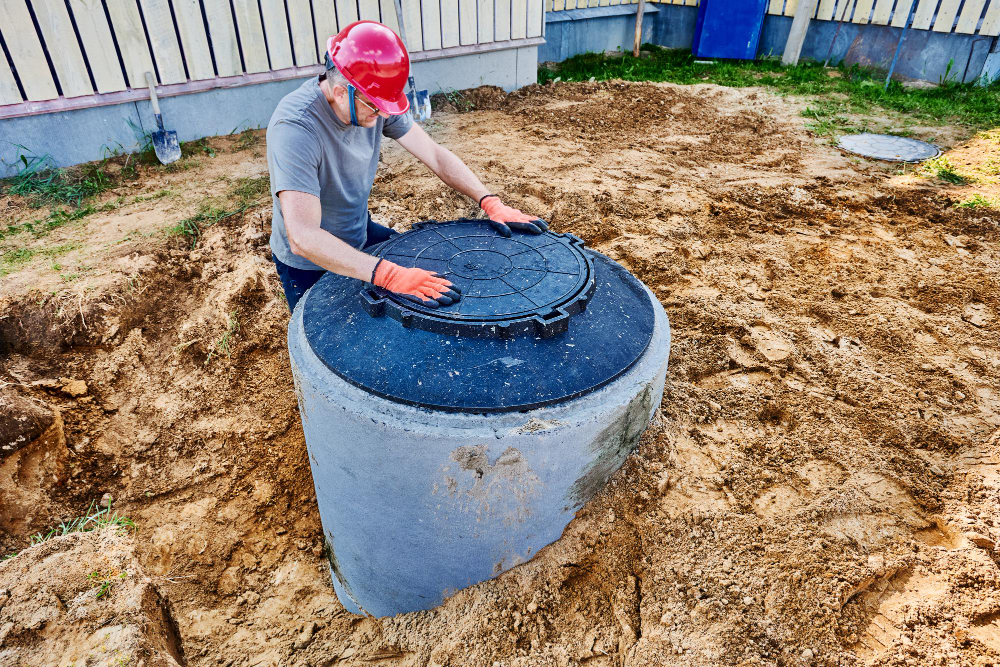
A septic system relies on several components working together to treat and disperse wastewater effectively. One part that often goes unnoticed is the distribution box. This component plays a direct role in how wastewater flows from the septic tank into the drain field.
If it is not functioning properly, the entire system can become unbalanced. In many systems, the drain field distribution box helps divide wastewater evenly, supporting proper soil absorption and preventing overload in one area. Understanding how this part works can help you spot issues early and maintain better overall system performance.
At Miller Septic, we provide septic system services in Southwest Florida, helping homeowners and businesses keep their wastewater systems running properly for long-term performance.
What Is a Septic Tank Distribution Box?
A septic tank distribution box, often called a D-box, is a container that receives wastewater from the septic tank and directs it into multiple drain field lines. It is usually installed between the tank and the drain field.
The main purpose of the distribution box is to divide the flow of wastewater evenly across all drain field pipes. This balanced distribution helps the system function more efficiently and reduces the risk of overloading a single section of the field.
Most distribution boxes are made from concrete, plastic, or fiberglass and are designed to last for many years when properly maintained.
How the Distribution Box Works
After wastewater leaves the septic tank, it flows into the distribution box. Inside the box, several outlet pipes connect to different sections of the drain field.
The box is designed so that wastewater is distributed evenly through these outlets. When functioning correctly, each pipe receives a similar amount of flow, allowing the drain field to absorb water at a steady rate.
If the distribution box becomes uneven or blocked, some lines may receive more wastewater than others. This imbalance can lead to saturation in certain areas while other parts of the field remain underused.
Why Even Distribution Matters
The drain field depends on balanced wastewater flow to operate effectively. When one section receives too much water, the soil in that area can become saturated. This reduces its ability to filter wastewater and can lead to pooling or surface discharge.
Even distribution helps prevent these issues by spreading the load across the entire field. This allows the soil to recover between cycles and maintain its ability to treat wastewater.
Regular septic system maintenance services often include checking the distribution box to confirm that water is flowing evenly through all outlets.
Common Problems with Distribution Boxes
Like any part of a septic system, distribution boxes can develop issues over time. These problems can affect how wastewater moves through the system and may lead to larger concerns if not addressed.
Some of the most common problems include:
- Uneven settling that causes the box to tilt
- Blocked or clogged outlet pipes
- Cracks or structural damage
- Soil or debris entering the box
When the box is not level, wastewater may flow more heavily into one pipe than the others. This can overload part of the drain field and shorten its lifespan.
Signs of a Failing Distribution Box
Recognizing early warning signs can help you address problems before they lead to major system failure. While the distribution box itself is not always visible, its condition can affect other parts of the system.
Watch for signs such as:
- Wet or soggy areas in specific parts of the yard
- Uneven grass growth over the drain field
- Slow drainage inside the home
- Persistent odors near the septic area
If you notice these issues, it may be time to schedule septic tank services or an inspection to evaluate the distribution box and surrounding components.
Maintenance and Inspection Practices
Routine maintenance helps keep the distribution box functioning properly and supports overall system performance. While the box itself does not require frequent cleaning, it should be inspected periodically.
During an inspection, technicians may check for proper leveling, clear any blockages, and confirm that wastewater is flowing evenly through all outlets. If problems are found, adjustments or repairs can be made before they affect the drain field.
Regular septic tank pumping services also play a role in protecting the distribution box. By removing solids from the tank, you reduce the chance of debris entering the box and causing blockages.
Repair and Replacement Options
If a distribution box becomes damaged or no longer functions properly, repair or replacement may be necessary. In some cases, leveling the box can restore proper flow. This involves adjusting the position so that all outlet pipes receive equal distribution.
If the box is cracked or severely damaged, replacement may be the best option. Modern materials such as plastic or fiberglass can offer improved durability and resistance to shifting.
Working with a provider that offers septic system repair services can help determine the best solution based on the condition of your system.
Keep Your Septic System Balanced with Trusted Service in Southwest Florida
When components like the distribution box stop working properly, it can affect your entire septic system. At Miller Septic, we provide full-service septic and wastewater solutions across Southwest Florida, backed by years of hands-on experience.
Based in North Fort Myers, our licensed team handles septic tank pumping, inspections, drain field repairs, and system troubleshooting for both residential and commercial properties. We also offer lift station services, line jetting, and wastewater hauling to support complete system performance. With 24/7 availability and straightforward pricing, we are ready to help keep your system running the way it should. Schedule your service today.