
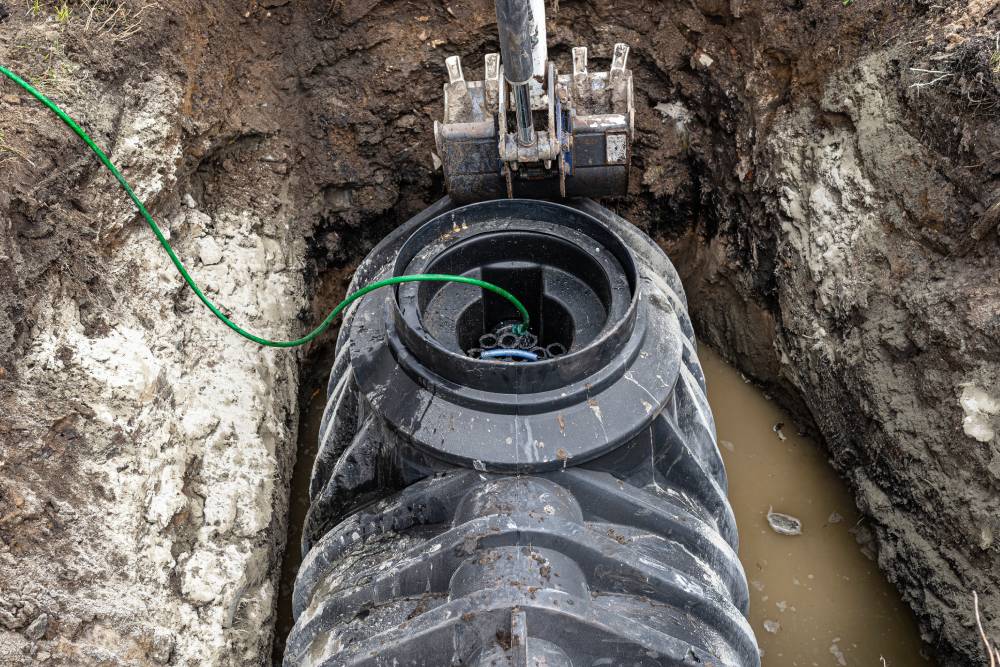
Heavy rain can create serious challenges for septic systems, especially in areas with high water tables and sandy soil. When the ground becomes saturated, your system may struggle to process wastewater properly. In many cases, homeowners first notice issues like slow drains or even septic tank bubbling after heavy rain, which signals that something is not working as it should.
Understanding how rainfall affects your septic system can help you respond quickly and reduce the risk of long-term damage. With the right steps and regular septic tank services, you can keep your system functioning even during periods of heavy rain.
How a Septic System Normally Works
To understand the impact of heavy rain, it helps to know how a septic system operates under normal conditions. Wastewater flows from your home into the septic tank, where solids settle at the bottom and lighter materials float to the top. The liquid in the middle moves into the drain field, where it filters through the soil.
The drain field plays a major role in this process. It relies on unsaturated soil to absorb and treat wastewater. When the soil is dry enough, it can effectively filter out contaminants before the water reaches the groundwater. Problems begin when the soil becomes too saturated to absorb additional water.
What Happens During Heavy Rainfall
When heavy rain hits, the soil around your septic system can become saturated. This means there is little to no space left for wastewater to be absorbed. As a result, the system begins to slow down.
The excess groundwater can also enter the septic tank and pipes, increasing the volume of liquid inside the system. This added pressure can interfere with normal operation and lead to several issues.
In regions like Southwest Florida, where rainstorms can be intense and frequent, this type of strain on septic systems is not uncommon. That is why many property owners rely on routine septic tank pumping services and inspections to stay ahead of potential problems.
Common Problems Caused by Heavy Rain
Heavy rainfall can affect multiple parts of your septic system. The following are some of the most common issues homeowners experience during or after a storm.
- Slow draining sinks, tubs, and toilets
- Standing water near the drain field
- Sewage odors around the yard or inside the home
- Backups in plumbing fixtures
- Gurgling sounds in pipes
These problems occur because the system cannot process wastewater at its normal rate. When the drain field is saturated, wastewater may have nowhere to go, leading to backups or overflow.
Why the Drain Field Is Most Affected
The drain field is the most vulnerable part of the septic system during heavy rain. Its ability to absorb and filter wastewater depends on soil conditions. When the soil becomes waterlogged, it loses its capacity to handle additional liquid.
This can cause wastewater to pool on the surface or flow back toward the septic tank. Over time, repeated saturation can weaken the effectiveness of the drain field and lead to long-term performance issues.
Septic system maintenance services often focus on evaluating drain field conditions, especially after periods of heavy rainfall.
Signs Your Septic System Is Overloaded
Recognizing the signs of an overloaded septic system can help you take action before the problem gets worse. Some warning signs may appear gradually, while others can happen suddenly during a storm.
Watch for indicators such as:
- Water backing up into sinks or tubs
- Persistent wet spots in the yard
- Strong odors near the tank or drain field
- Toilets flushing slowly or inconsistently
If these signs appear, it may be time to schedule septic tank pumping services or an inspection to assess the condition of your system.
What You Can Do During Heavy Rain
While you cannot control the weather, there are steps you can take to reduce the impact of heavy rain on your septic system. Managing water usage and protecting the drain field can help minimize stress on the system.
Some practical steps include:
- Reduce water usage inside your home during heavy rain
- Avoid doing laundry or running dishwashers until conditions improve
- Keep vehicles and heavy equipment off the drain field
- Direct rainwater away from the septic area using proper drainage
These actions help limit the amount of water entering the system while the soil is already saturated.
Preventive Measures for Long-term Protection
Taking preventive measures can help your septic system handle heavy rain more effectively over time. Regular maintenance plays a major role in preventing issues before they start.
Scheduling routine septic tank cleaning services helps remove buildup and maintain proper capacity within the tank. A well-maintained system is better equipped to handle fluctuations in water levels.
Proper landscaping can also make a difference. Grading your yard to direct water away from the drain field and installing drainage solutions can help reduce saturation around the system. In some cases, adding risers or improving system components may be recommended to enhance accessibility and performance.
The Impact of Local Conditions
Local environmental factors can make septic systems more vulnerable to heavy rain. In coastal areas and regions with high water tables, groundwater levels can rise quickly during storms.
Sandy soil, while good for drainage under normal conditions, can become saturated faster during heavy rainfall. This combination of factors can increase the likelihood of system overload.
Understanding how local conditions affect your septic system can help you plan maintenance and take preventive steps that align with your environment.
Get Reliable Septic Help in Southwest Florida When Heavy Rain Hits
When heavy rain starts affecting your septic system, quick and knowledgeable service can make all the difference. At Miller Septic, we are a family-owned and operated company based in North Fort Myers, serving Fort Myers, Cape Coral, Lehigh Acres, and surrounding Southwest Florida communities.
Our licensed team handles septic tank pumping, inspections, drain field repairs, and full system installations. We also provide line jetting and wastewater hauling to keep your system working under tough conditions. With 24/7 availability and a focus on honest pricing and clear communication, we are ready when your system needs attention most. Schedule your service today.