
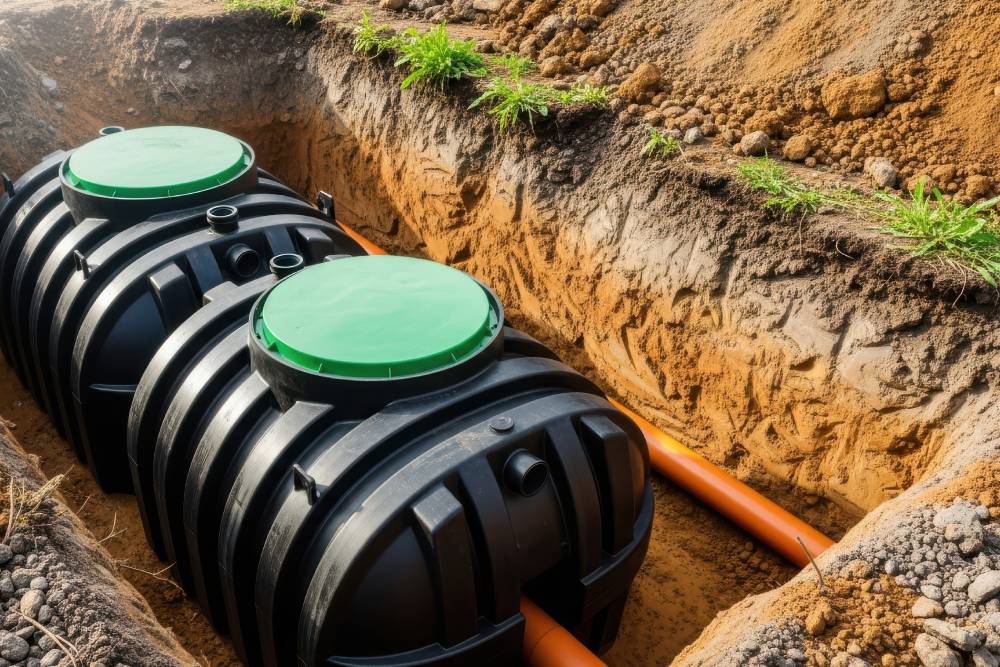
How deep is a drain field? It’s one of the most common questions property owners ask when planning or maintaining a septic system. The depth of a septic field plays a major role in how well the system treats wastewater and how long it lasts. If the field is too shallow or too deep, it can affect drainage, filtration, and overall performance.
Understanding the factors that determine septic field depth can help you make informed decisions during installation and avoid issues down the line. With the right setup and regular septic tank services, your system can operate efficiently for many years.
What Is a Septic Field?
A septic field, also known as a drain field or leach field, is the area where wastewater from the septic tank is dispersed into the soil. It consists of a network of perforated pipes placed in trenches, allowing wastewater to spread out and be absorbed by the surrounding soil.
The soil acts as a natural filter, removing contaminants before the water returns to the groundwater system. The depth of the field directly affects how well this filtration process works.
Typical Depth of a Septic Field
In most residential systems, septic field trenches are typically installed between 18 and 36 inches below the surface. This range allows for proper wastewater distribution while keeping the system within the most active layer of soil.
The upper layers of soil contain microorganisms that help break down waste. Installing the field within this zone supports better treatment and absorption.
However, the exact depth can vary depending on soil conditions, local regulations, and the design of the system.
Why Depth Matters for Performance
The depth of a septic field affects how wastewater moves through the soil and how effectively it is treated. If the field is too shallow, it may be exposed to temperature changes and surface disturbances. If it is too deep, it may reach soil layers that do not absorb water as effectively.
Proper depth allows for a balance between absorption and filtration. It also helps prevent issues such as pooling, slow drainage, and system overload.
This is why septic system installation services take soil conditions and site layout into account before determining the correct depth.
Soil Type and Its Impact on Depth
Soil type is one of the most important factors when determining septic field depth. Different types of soil absorb and filter water at different rates.
Sandy soil allows water to pass through quickly, which can be beneficial for drainage but may require careful design to allow enough time for filtration. Clay-heavy soil, on the other hand, drains more slowly and may require adjustments in depth and layout.
A soil evaluation is typically conducted before installation to determine how well the ground can handle wastewater. This information helps guide decisions about trench depth and spacing.
The Role of the Water Table
The water table refers to the level at which the ground becomes saturated with water. In areas with a high water table, septic fields must be installed at a depth that keeps them above this level.
If the field is too close to the water table, wastewater may not be properly filtered before reaching groundwater. This can lead to contamination and reduced system performance.
In regions like Southwest Florida, where high water tables are common, septic system maintenance services often include monitoring how groundwater levels affect system performance.
How Climate and Rainfall Affect Depth
Climate conditions also play a role in determining septic field depth. In areas with frequent heavy rain, the soil can become saturated more quickly. This may require adjustments in depth to maintain proper function.
Heavy rainfall can temporarily raise groundwater levels and reduce the soil’s ability to absorb wastewater. Installing the field at the correct depth helps reduce the risk of flooding and backups during these conditions. Regular septic tank pumping services can also help manage system load during periods of increased moisture.
Different System Designs and Depth Variations
Not all septic systems use the same design, and this can affect how deep the field is installed. Conventional systems typically follow the standard depth range, while alternative systems may vary.
For example, mound systems are built above ground level to address poor soil conditions or high water tables. These systems rely on added material to create a suitable environment for wastewater treatment.
Drip distribution systems may use shallow installation with controlled water release, allowing for more flexibility in challenging conditions. Choosing the right system design depends on site conditions and long-term performance goals.
Installation Considerations
Proper installation is key to achieving the correct septic field depth. This process involves more than just digging trenches. It includes evaluating soil conditions, measuring groundwater levels, and planning the layout of the system.
Professional installation helps avoid issues such as uneven distribution, poor drainage, and premature failure. Working with a provider that offers septic system installation and repair services can help confirm that the field is set up correctly from the start.
Maintenance and Long-term Performance
Even with the correct depth, ongoing maintenance is necessary to keep the septic field functioning properly. Over time, solids can build up in the system and affect how wastewater flows into the field.
Routine septic tank cleaning services help prevent solids from reaching the drain field and clogging the soil. Regular inspections can also identify changes in performance and address issues early.
Proper usage habits, such as managing water consumption and avoiding heavy loads on the field, also support long-term performance.
Signs Your Septic Field Depth May Be a Problem
In some cases, issues with septic field depth may not become apparent until problems develop. Recognizing warning signs can help you take action before the situation worsens.
Common signs include:
- Persistent wet areas in the yard
- Slow draining fixtures inside the home
- Strong odors near the drain field
- Standing water after normal usage
These issues may indicate that the field is not absorbing wastewater as expected. Scheduling septic tank services can help identify the cause and determine the best solution.
Get Expert Septic Field Support in Southwest Florida
If you are dealing with septic field concerns or planning a new installation, working with a knowledgeable local team can make the process much smoother. At Miller Septic, we are a family-owned and operated company based in North Fort Myers, serving Fort Myers, Cape Coral, Lehigh Acres, and surrounding areas.
Our licensed technicians provide septic tank pumping, drain field installation and repair, inspections, and full wastewater system services. We also handle lift stations, grease traps, and line jetting to support your entire system. With 24/7 availability and honest pricing, we are ready to help keep your system performing reliably. Schedule your service today.