
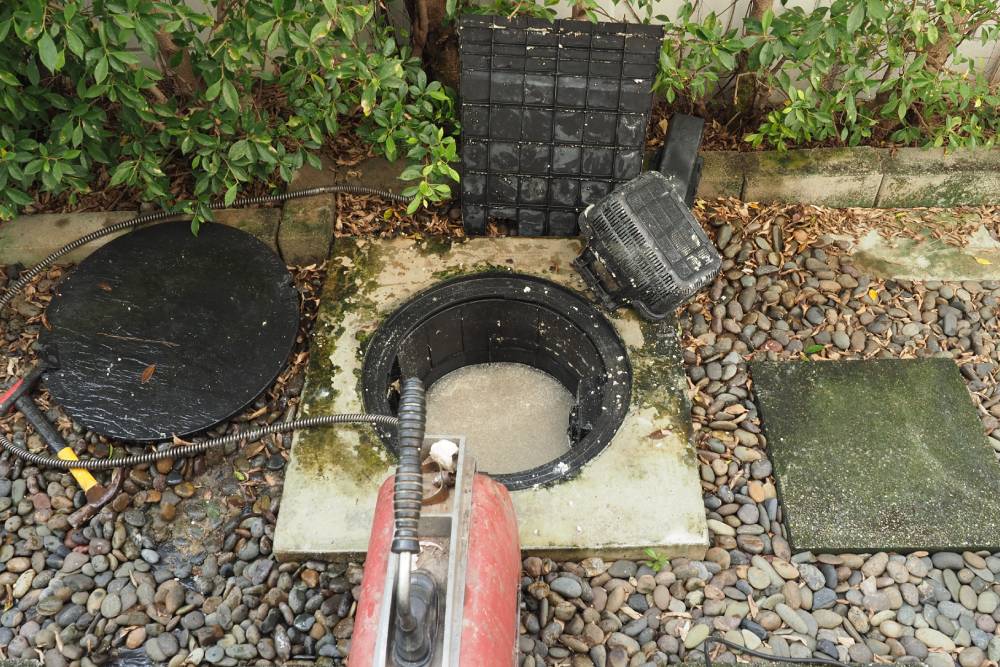
Grease traps play a major role in keeping commercial kitchens running without plumbing problems. Restaurants, food prep facilities, and other businesses that handle fats, oils, and grease rely on these systems to separate waste before it enters the main sewer line. Without a proper setup, grease can build up quickly and lead to blockages, backups, and expensive repairs.
If you manage a kitchen or are planning a new setup, understanding the different types of grease traps helps you make better decisions about installation, maintenance, and long-term performance. This guide breaks down how grease traps work and the most common options used in both small and large operations.
What Is a Grease Trap and How Does It Work?
A grease trap is a plumbing device designed to capture fats, oils, and grease before they move into the wastewater system. When wastewater flows through the trap, it slows down. As the flow rate drops, grease rises to the top while solids sink to the bottom. The cleaner water in the middle then exits into the drainage system.
This separation process helps prevent grease from sticking to pipes and causing buildup over time. In busy kitchens, even small amounts of grease can accumulate fast, which is why regular grease trap cleaning services are part of routine maintenance.
Grease traps are commonly installed under sinks, in floors, or outside the building depending on the size and needs of the operation.
Why Grease Trap Systems Matter in Commercial Kitchens
Food service environments generate a steady flow of grease-heavy wastewater. Without a proper grease trap system in place, that waste can create problems such as:
- Slow drains and recurring clogs
- Foul odors in kitchen and prep areas
- Sewer line backups
- Health code violations
- Costly plumbing repairs
A well-maintained system helps protect both your plumbing and your business operations. Many local regulations also require grease traps for commercial kitchens, along with scheduled grease trap pumping and inspection.
Passive Hydromechanical Grease Traps
Passive hydromechanical grease traps are the most common type found in smaller kitchens. These are typically installed indoors, often under sinks or near dishwashing stations.
How They Work
These units rely on gravity to separate grease from wastewater. As water enters the trap, internal baffles slow the flow, allowing grease to float and solids to settle.
Key Features
- Compact design for tight spaces
- Lower upfront cost
- Suitable for light to moderate grease output
Best Use Cases
Passive systems are often used in:
- Small restaurants
- Cafes
- Food trucks
- Break rooms
Because of their size, they require frequent grease trap cleaning to stay effective. If not maintained regularly, they can fill up quickly and lose efficiency.
Gravity Grease Interceptors
Gravity grease interceptors are larger systems installed underground outside the building. These are designed to handle higher volumes of wastewater and grease.
How They Work
Wastewater flows into a large tank where it slows significantly. This allows more time for grease to separate and rise to the surface. Clean water then exits through an outlet pipe.
Key Features
- High-capacity design
- Handles heavy grease loads
- Less frequent cleaning compared to smaller units
Best Use Cases
These systems are common in:
- Large restaurants
- Hotels
- Schools and cafeterias
- Food processing facilities
While they require less frequent service, grease trap pumping for interceptors still needs to be scheduled on a routine basis to prevent buildup.
Automatic Grease Removal Units (AGRUs)
Automatic grease removal units are more advanced systems that actively remove grease from the trap without manual pumping as often.
How They Work
AGRUs use mechanical components to skim grease from the surface and transfer it into a separate container. This process runs on a timer or sensor-based system.
Key Features
- Reduces manual cleaning frequency
- Maintains consistent performance
- Helps control odors
Best Use Cases
These systems are ideal for:
- High-volume kitchens
- Restaurants with continuous cooking operations
- Facilities looking to reduce maintenance downtime
Although they require a higher initial investment, they can reduce long-term service needs when paired with periodic professional inspections.
Grease Trap Materials and Build Types
Grease traps come in several material options, each with its own benefits. The material you choose can affect durability, installation, and maintenance requirements.
Common Materials
- Plastic or PVC: Lightweight and corrosion-resistant, often used for indoor units
- Steel: Strong and durable but can be prone to corrosion over time
- Concrete: Used for large outdoor interceptors due to strength and longevity
- Fiberglass: Resistant to corrosion and commonly used in underground installations
Material choice often depends on the size of the system and the conditions where it will be installed.
Choosing the Right Grease Trap for Your Needs
Selecting the right grease trap depends on several factors, including kitchen size, volume of wastewater, and local regulations.
Factors to Consider
- Daily grease output
- Available installation space
- Type of food service operation
- Maintenance schedule requirements
- Local plumbing codes
For example, a small cafe may function well with an under-sink unit, while a large commercial kitchen will likely need a gravity interceptor or an automatic system.
Working with a provider that offers grease trap installation services can help determine the correct sizing and setup for your specific operation.
Signs Your Grease Trap Needs Attention
Even with a maintenance schedule in place, it helps to recognize early signs that something is not working as it should.
Common Warning Signs
- Slow draining sinks
- Strong odors near drains
- Grease visible in wastewater
- Frequent clogs
- Overflow or backups
If any of these issues appear, it may be time to schedule grease trap cleaning or inspection. Addressing the problem early can help avoid more extensive repairs.
Get Reliable Grease Trap Service in Southwest Florida
Understanding the different types of grease traps helps you choose the right system and avoid costly plumbing issues. Professional service keeps your system compliant and running efficiently.
At Miller Septic, we bring years of hands-on experience serving Southwest Florida with dependable grease trap pumping, cleaning, and installation services.
Our licensed team works with restaurants, commercial kitchens, and food service facilities to keep operations running without disruption. You can expect clear communication, fast response times, and honest recommendations from a crew focused on long-term performance and reliable wastewater management. Schedule your service today.