
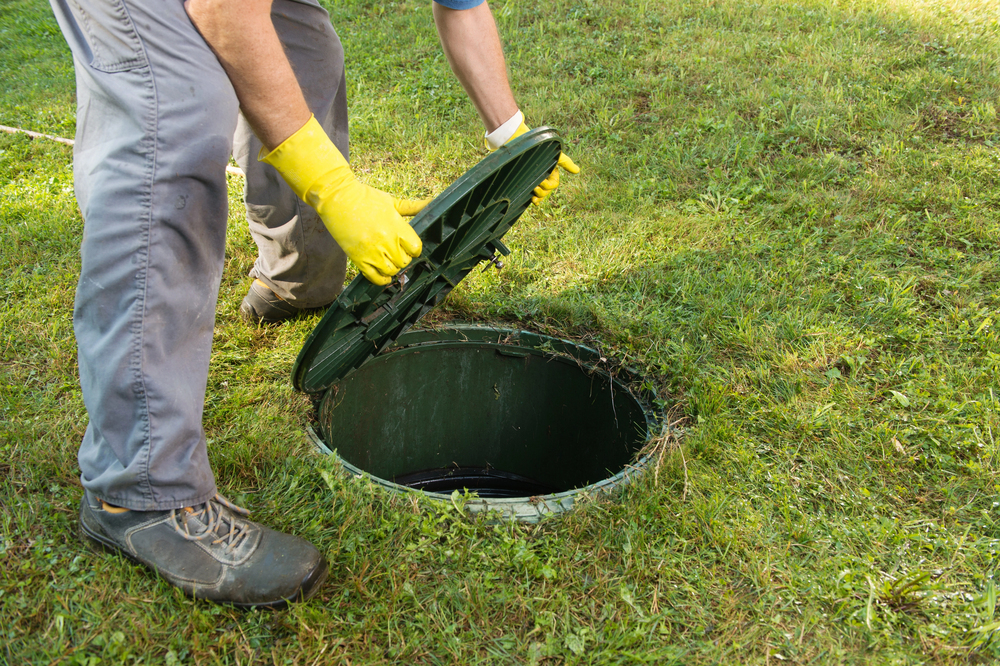
Owning a home or business with a septic system means paying attention to its ongoing care. A septic inspection helps you catch problems before they become expensive repairs or health hazards. At Miller Septic, we provide professional septic inspections to check your system thoroughly from start to finish.
Knowing what happens during an inspection can help you plan maintenance, make informed decisions, and protect your property from unexpected issues.
Scheduling Your Septic Inspection and Preparing Your Property for the Technician
The first step in taking care of your septic system is setting up a time for a professional inspection. When you contact a licensed technician, you should provide as much information as possible about your system. This includes details such as the age of the tank, its size, the type of system you have, and any previous repairs or maintenance. Sharing these details helps the technician plan the inspection and bring the right tools to evaluate your system accurately.
Once you take advantage of septic services and your appointment is scheduled, you can prepare your property to make the process smooth and efficient. Clear any obstacles around the septic tank and drain field. This may involve moving plants, landscaping materials, or other objects that block access. If you know the location of the tank, marking it can save time and help the technician complete the inspection without unnecessary delays.
During the inspection, the technician will need to access various components of the system, so providing a clear path is important. By preparing your property ahead of time, you allow the professional to perform a thorough evaluation.
Locating and Accessing the Septic Tank, Pipes, and Drain Field
Once the inspection begins, the technician will locate the main components of your septic system. This includes the tank, distribution pipes, and drain field. Older systems may not have clearly marked access points, so the technician may use records, maps, or specialized equipment to find them.
Clear access to the system is essential for a complete inspection. If there are obstacles such as heavy landscaping, fences, or structures, the technician may need help locating or moving them.
Proper access allows the inspector to observe the system in its normal operating state and identify any issues that could affect performance.
Examining the Septic Tank to Check Its Condition and Functionality
The septic tank is the core of your wastewater system, serving as the first stage of wastewater treatment. During the inspection, the technician thoroughly examines the tank’s structure for cracks, leaks, or any signs of wear and tear that could affect its ability to function properly. The technician also measures the levels of sludge and scum to determine if cleaning or pumping is needed to maintain optimal performance.
Additionally, the inspector checks for any unusual odors or signs of backups in your home or business. These odors, combined with slow drainage or gurgling pipes, can indicate hidden issues inside the tank, such as blockages or insufficient flow.
Regular tank inspections help identify problems early, preventing more serious issues, such as tank rupture or contamination of groundwater.
Inspecting the Drain Field and Surrounding Soil to Detect Flow Problems
The drain field is a crucial part of the septic system, where treated wastewater is absorbed into the ground. Inspecting this area is just as important as evaluating the tank itself. During the inspection, the technician looks for wet spots, standing water, or unusual plant growth, all of which may suggest that the field is not absorbing water properly.
Soil conditions, slope, and the type of vegetation are also carefully observed. If the soil is overly saturated, the flow may be uneven, causing wastewater to pool on the surface. This can lead to serious problems, such as system backups, soil erosion, or contamination of the surrounding environment. If the drain field is not functioning as it should, untreated wastewater can leak into nearby water sources and potentially lead to health risks and environmental damage.
Timely identification of these issues allows for early intervention, reducing the risk of expensive repairs and environmental impact.
Testing Pumps, Filters, Lift Stations, and Other System Components for Proper Operation
Many septic systems include additional equipment such as lift stations, pumps, and filters. During the inspection, these components are tested to see if they are functioning as expected.
Lift stations are observed to make sure they move water at the right rate. Filters are examined for buildup that may reduce flow. Any other equipment connected to the system is checked for wear or damage. Testing all parts of the system helps you avoid unexpected malfunctions and keeps your septic system running smoothly.
Reviewing Maintenance History and Past Repairs to Identify Patterns
A thorough septic inspection includes reviewing past maintenance and repair records. The technician will ask about previous pumpings, repairs, and upgrades. Understanding this history can reveal recurring issues or patterns that might indicate a developing problem.
For anyone buying or selling a property, reviewing maintenance records is especially important. It provides confidence about the system’s condition and helps plan future work.
Receiving a Detailed Report, Recommendations, and Guidance for Future Care
The final step of a septic inspection is the creation of a detailed report. This document outlines the current condition of your tank, drain field, and equipment. It also lists any issues that need attention and recommendations for repairs, maintenance, or improvements.
At Miller Septic, our team takes the time to explain the report in simple terms, so you understand each recommendation. This guidance can help you take action at the right time, whether that means scheduling a pump out, repairing a drain field, or performing routine maintenance.
Protecting Your Home and Business with Professional Septic Services
Regular septic inspections are a way to protect your home or business from unexpected problems. By checking your tank, drain field, equipment, and maintenance history, you gain a complete view of your system’s performance. Using a professional company gives you accurate results and actionable guidance to keep your system functioning properly.
Miller Septic provides full septic services for both residential and commercial properties. Our team offers pumping, cleaning, repairs, and installations, helping your system work efficiently and giving you peace of mind for the future.