
Failing drain fields can create serious problems for your home or business. Performing proper drain field repair helps you prevent wastewater backups, property damage, and expensive repairs. At Miller Septic, we provide professional inspections, repairs, and maintenance to make your system work as it should.
Understanding the steps involved and following proven practices can help you address problems effectively while protecting your property and investment.
Scheduling Your Drain Field Repair and Preparing Your Property for a Technician Visit
The first step in repair is contacting a licensed professional and arranging a time for service. When you schedule, share as much information as possible about your septic system, including its age, type, and any previous repairs or maintenance. This information allows the technician to prepare for the visit and bring the tools needed to address potential problems.
Before the repair, you should prepare your property to make the process smooth. Clear any plants, landscaping, or debris from around the tank and drain field. Marking the location of the tank and the field, if you know it, can help the technician access everything quickly.
A clear work area allows the repair to proceed efficiently and reduces the risk of accidental damage to your yard. Preparing in advance gives you the best chance for a thorough and lasting repair.
Identifying the Signs That Your Drain Field Needs Attention and Assessing the Damage
Recognizing when your drain field needs repair is the next crucial step. Common signs of a failing drain field include wet or soggy areas above the field, slow-draining sinks and toilets, unusual odors near the tank or drain field, and patches of unusually lush or green grass.
Ignoring these signs can result in severe problems, such as backups into your home or business. By spotting these issues early and contacting a professional, you can avoid major repairs and safeguard your property.
During the initial assessment, the technician will evaluate the system to determine the extent of the damage. This includes inspecting the tank, pipes, and drain field itself. A thorough professional evaluation gives you an accurate understanding of the repairs needed and how the work will be completed.
Managing Water Saturation and Preparing Soil Conditions for Repair
Excess water in the soil is a common challenge when repairing a drain field. Waterlogged soil can prevent proper absorption and cause backups in your plumbing. Before any work begins, excess water may need to be removed by pumping the septic tank, diverting surface water, or temporarily reducing water use in your home or business.
Managing moisture allows the technician to work efficiently and creates conditions where the drain field can function properly after repair. If the soil remains overly saturated, repairs may fail or have a shorter lifespan.
Excavating and Accessing Pipes, Trenches, and Other Drain Field Components
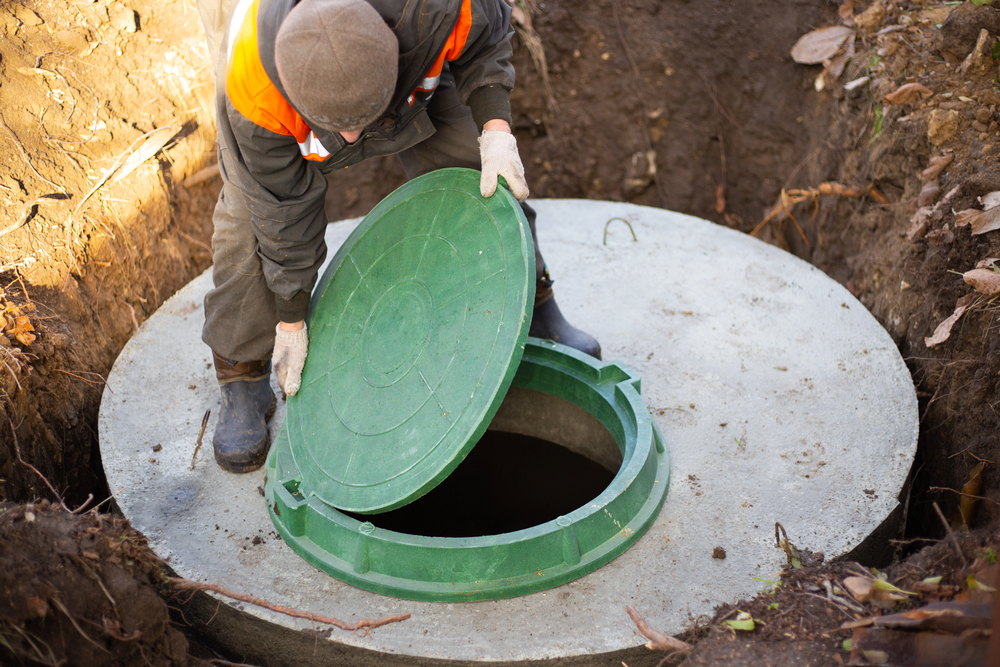
Repair often requires careful excavation to reach pipes, gravel, and trenches. The technician removes the top layers of soil around the affected area to examine the components directly. Excavation must be done carefully to avoid damaging parts of the system that are still functioning properly.
At Miller Septic, our professionals use precise techniques and equipment to minimize disruption to your property. Gaining full access to the drain field allows the team to repair or replace damaged pipes, trenches, and other components, while preserving the surrounding soil. Proper excavation is critical to achieving a lasting repair and restoring the flow of wastewater through your system.
Repairing or Replacing Damaged Pipes, Trenches, and Other Components
Once the system is accessible, the technician repairs or replaces damaged components. Pipes may be blocked with debris, roots, or sludge, and trenches can become uneven or collapse over time. Replacing or repairing these parts restores proper flow and helps your system operate efficiently.
Poorly executed repairs can lead to recurring problems, so it is important to rely on trained professionals. Our team at Miller Septic takes care to repair each part of the system, ensuring a solution that lasts. After restoring the pipes and trenches, wastewater can move smoothly through the system and prevent backups or environmental damage.
Restoring Soil, Leveling the Ground, and Preparing the Area for Long-Term Use
After completing the repairs, the soil over the drain field must be restored. The technician will fill in the excavated areas, level the ground, and ensure that the area slopes correctly away from buildings. Proper soil restoration prevents surface water from pooling over the drain field and helps wastewater disperse naturally into the ground.
Technicians may also add gravel or sand to support the repaired trenches and improve absorption. Attention to grading and soil quality is an important part of lasting repairs. Properly restored soil helps the drain field continue functioning efficiently and reduces the risk of future problems.
Testing the System and Observing Its Performance After Repairs
Once the repair is complete, testing the system is the next step. The technician may run water through the system, observe how quickly it drains, and check the field for signs of standing water. Monitoring the system for several days after repair helps identify any remaining issues.
Miller Septic provides guidance on what to watch for at home, including subtle changes in drainage or wet areas that may indicate a developing problem. Observing the system after repair gives you confidence that the drain field is operating properly and that your home or business is protected.
Maintaining Your Drain Field After Repair to Protect Your Property and System
After the repair, taking steps to care for your drain field helps it last longer. Regular pumping, avoiding excessive water use, and keeping heavy equipment off the area are important for maintaining performance. Scheduled inspections by professionals can help detect potential problems early.
Call us today to protect your property and maintain a healthy septic system. With Miller Septic, you can rely on full services, including drain field repair, pumping, cleaning, and installation for both residential and commercial systems. Our team works closely with you to keep your system running efficiently and prevent backups or environmental issues.