
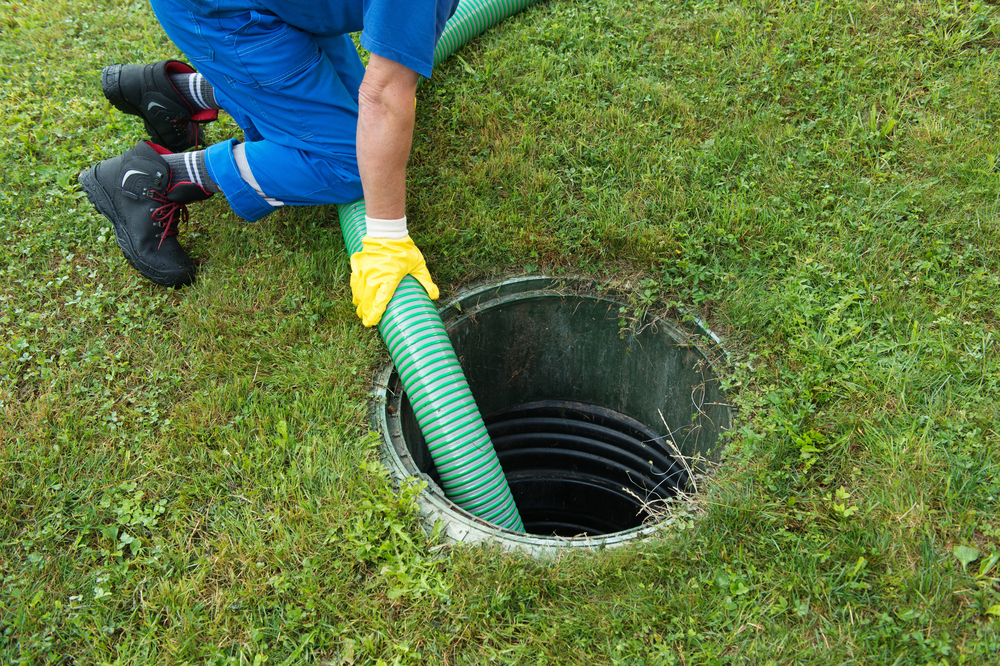
Owning a home or business with a septic system means paying attention to warning signs that point to trouble below the surface. Septic tank problems often develop slowly, making them easy to dismiss until they interfere with your daily routine. Within the first years of ownership, many property owners experience subtle changes that signal the system needs attention. This is where septic services can become very helpful.
A septic system is designed to manage wastewater quietly and efficiently. When something goes wrong, the system often gives clear signals. These signs should never be brushed aside or delayed, as doing so can lead to repairs that affect your home, your yard, and your budget.
The following six problems are among the most common and deserve immediate attention when they appear.
Slow Drains That Affect More Than One Fixture
When a single sink or tub drains slowly, the cause is often limited to that fixture. When multiple drains throughout a home or building begin to slow down, the issue is commonly tied to the septic system. Water that once moved easily may start lingering in sinks, showers, or toilets, turning routine tasks into frustrations.
This type of slowdown usually means wastewater is having difficulty moving from the building into the septic tank or from the tank to the drain field. Over time, sludge buildup, partial blockages, or reduced soil absorption can all contribute to this condition.
Addressing slow drainage early allows a technician to examine the system and determine whether maintenance or repairs are required. Early attention helps restore proper flow and reduces the risk of damage that spreads across multiple areas of the property.
Persistent Odors Inside or Around the Property
Unpleasant odors are another warning sign that should not be ignored. Septic systems are designed to contain and process waste without noticeable smells. When sewage odors appear inside the home or near the tank or drain field, it suggests that gases or wastewater are escaping areas where they should remain contained.
These smells can result from cracks in the tank, blocked ventilation, or waste levels that have risen too high. In some cases, the system may be overdue for pumping, allowing gases to build up and escape. Odors that linger or return often point to an ongoing issue rather than a short-term condition.
Ignoring these smells can lead to worsening sanitation and comfort issues. A professional inspection helps identify the source and correct it before the problem becomes more disruptive.
Standing Water or Soft Ground in the Yard
Pooling water near the septic tank or drain field is a clear visual sign of trouble. Soft soil, muddy areas, or standing water that does not dry quickly often indicate that wastewater is no longer being absorbed as designed.
This condition may be caused by saturated soil, blocked lines, or a drain field that can no longer disperse water effectively. When wastewater reaches the surface, it can damage landscaping and create unhealthy conditions.
Taking action when these signs appear helps limit the spread of contamination and prevents further damage to the yard. A professional evaluation can determine whether the issue is related to usage habits, system capacity, or underlying damage that requires repair.
Sewage Backups Inside the Building
Few issues are as alarming as sewage backing up into toilets, tubs, or floor drains. This problem indicates that wastewater has nowhere else to go and is being forced back into the building. Backups can occur when the tank is full, pipes are blocked, or the drain field is no longer functioning properly.
This situation poses health risks and can cause damage to floors, walls, and personal belongings. Continued water use during a backup often makes the problem worse, increasing cleanup time and expense.
Immediate professional attention is required when backups occur. Identifying the cause quickly can limit damage and help restore safe operation. Regular maintenance plays a large role in reducing the likelihood of this type of failure.
Unusual Grass Growth Above the Septic Area
A greener lawn is usually welcome, but when grass above the septic system grows faster or thicker than surrounding areas, it may be signaling a problem. Excess nutrients from wastewater can act as fertilizer, causing noticeable changes in vegetation.
This condition often suggests that wastewater is leaking from the system before it has been fully treated and dispersed. As moisture and nutrients collect near the surface, soil balance can be disrupted, and nearby water sources may become vulnerable to contamination. While the grass may look healthy at first glance, the hidden issue can progress over time and result in long-term system damage if it is not addressed promptly.
Long Periods Without Maintenance or Pumping
One of the most common causes of septic system failure is neglect. Septic tanks require regular pumping to remove solids that build up over time. When maintenance is delayed, these solids can move into the drain field and interfere with soil absorption.
Many property owners are unsure when their system was last serviced. Others assume that no visible problems mean service is not needed. Unfortunately, by the time symptoms appear, damage may already be underway.
Staying on a regular maintenance schedule helps protect the system and extend its lifespan. Professional guidance can help you determine how often service is needed based on usage and system size. Preventive care reduces the chance of unexpected problems and costly repairs.
Why Paying Attention Early Protects Your Property
Septic systems are designed to operate quietly, which makes it easy to overlook early warning signs. Small changes in drainage, odors, or yard conditions are often the first indicators that something is wrong. Addressing these signs early allows problems to be managed before they disrupt your home or business.
Many homeowners rely on professional septic services to identify issues early and keep their systems operating properly. Having a trusted provider makes it easier to respond quickly when problems arise.
Our team at Miller Septic offers products and services that support the long-term health of your septic system. We work with you to address problems early and help your system operate reliably for years to come.